
Navigating today’s market can feel like keeping pace in a race that just doesn’t end, right? Believe us, we know the drill—continuously scouring for tactics to not only keep up with the competition but also resonate with our customers on a deeper level. This is where omnichannel marketing becomes a game-changer, weaving together diverse channels into one seamless customer journey that’s been a real difference-maker.
Ready to dive in together and explore strategies that’ll lift your business higher? Let’s make some serious ripples in this vast ocean of commerce!
Key Takeaways
- Omnichannel marketing connects all customer interactions with a brand, making shopping smooth wherever they are, like on a phone or in a store.
- This approach can make more people buy from you because everything feels the same across channels and it’s easy for customers to move from online to offline.
- Brands that use omnichannel marketing see their sales go up. Customers who shop through many channels spend about 1.7 times more money than those who don’t.
- Big names like Starbucks and Disney use omnichannel strategies to give customers what they want fast and keep them coming back for more.
- Making sure your message is clear across all platforms and devices helps build trust with customers—they know what to expect from your brand everywhere they find it.
Definition of Omnichannel Marketing
 Omnichannel marketing means connecting all the ways a customer can meet your brand. It’s like putting together many different pieces so that they fit into one big, welcoming picture.
You want people to know and love your brand, whether they see it on a phone screen, in an email, or face-to-face at a store.
We use omnichannel strategies to make sure customers get the same great service everywhere. Think of it as making sure every door they walk through leads them to a place that feels familiar and happy.
It’s not just about selling things; it’s about creating stories and experiences that stick with them no matter where they go or what device they use.
Comparing Multichannel and Omnichannel Marketing

When we dive into the realms of multichannel and omnichannel marketing, it’s like comparing a Swiss Army knife to a complete toolkit; both serve distinct purposes in the art of engagement.
Multichannel marketing might spread its wings across various platforms. Still, omnichannel marketing ensures that every touchpoint is interconnected, creating a seamless brand experience that resonates with our audiences on a deeper level.
https://www.youtube.com/watch?v=44rQux8Jfps
Multichannel Marketing

We know how important it is for a brand to be where the customers are. That’s why multichannel marketing matters. It means using many ways to reach people, like social media, email, websites, and even physical stores.
We make sure your brand can be found in all these places.
Our goal is to talk to your customers wherever they might be hanging out. And we keep our message the same across all channels while keeping things fresh—that way, no one gets bored hearing the same thing over and over again.
Plus, we’re smart about giving people ways to respond that work well on whatever device or platform they’re using. This makes sure customers have a smooth experience with your brand every single time.
Omnichannel Marketing

Think of omnichannel marketing as a super tool that puts your customer at the heart of your business. It’s all about connecting all the ways you sell and market – from your store to your website, social media, mobile app, and more – so shopping is smooth for customers no matter where they are.
By doing this, we make sure people get the same great feeling and information everywhere they meet our brand.
Our goal is to make every step easy and enjoyable for our shoppers. We gather data from each touchpoint in their journey, whether online or offline and then use it to create a personalized experience that wows them every time.
This isn’t just about making sales—it’s building loyalty by showing customers we truly understand what they want. With such care in how we interact with folks across different platforms, we’re not only boosting satisfaction but also encouraging them to shop more with us.
The Significance of Omnichannel Marketing
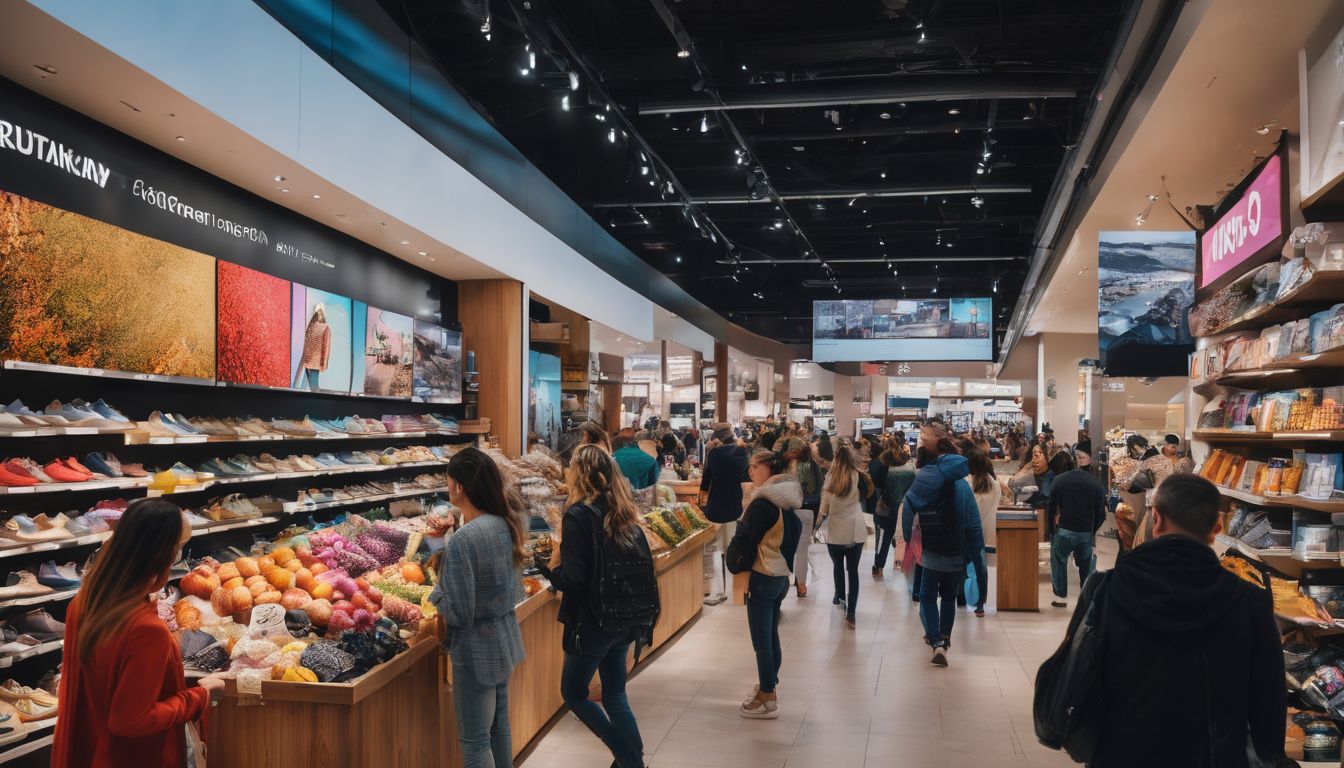
Omnichannel marketing connects all the ways customers can touch our brand. This means if they’re shopping online from a mobile device or computer, using an app, or in a physical store, the experience is smooth.
We make sure everything looks and feels the same everywhere for them. It’s important because customers today use many different ways to talk with us and buy things.
We’ve seen that omnichannel customers shop more often and spend more money than those using just one way to shop. They like it when we know what they want across every channel we have; it makes them happy and loyal to our brand.
This kind of marketing helps keep everything together so buyers get what they need fast and easy, which can lead to us making more money too!
The Benefits of Using an Omnichannel Approach

Embracing an omnichannel approach unlocks a treasure trove of advantages for businesses, from expanding market presence to elevating the entire customer experience—dive in with us to explore how this strategy can revolutionize your brand’s interaction with consumers.
Greater reach
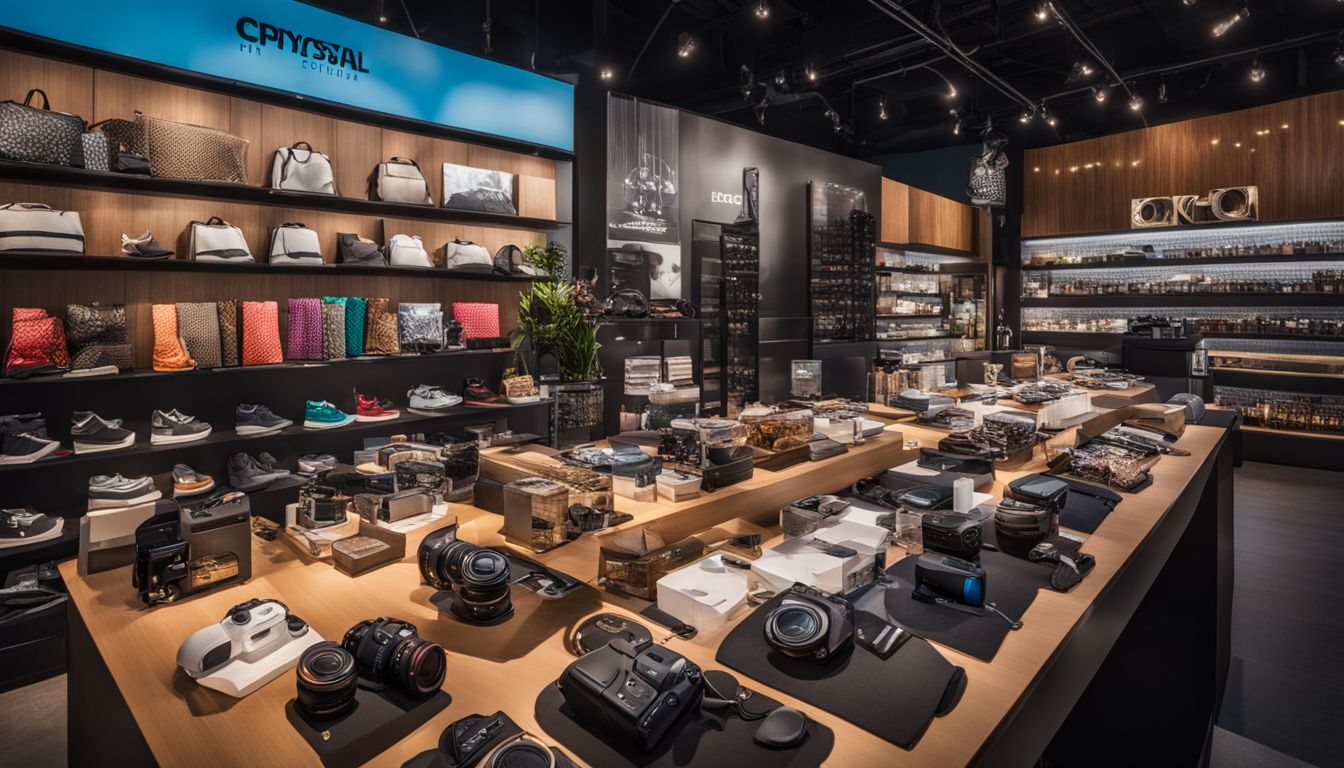
We know how important it is for your message to get out there. That’s why omnichannel marketing is such a big deal for us and you. It lets people find you in many places—online, on their phones, in stores, and more.
Think about it; some folks like shopping from their couch while others prefer walking into a store. With an omnichannel approach, we can say hi to all of them wherever they are.
This means more eyes on what you have to offer. And guess what? Shoppers who use lots of different ways to buy things shop 1.7 times more than those who stick to just one way. We make sure your brand shows up across various channels so that customers run into your products or services again and again, boosting the chances they’ll pick what you’re selling over somebody else’s stuff.
Plus, younger buyers like Gen Zers dig this kind of shopping—they expect it! So let’s give them what they want and spread our reach even further together.
Increased profits
Customers who shop across multiple channels buy more stuff. Think about it – if folks can find what they need through different ways, like online stores or brick-and-mortar shops, they’re likely to spend more money.
And get this, companies that make their shopping experience smooth everywhere can see their money grow by 5-15% from all their customers.
Let’s make every customer touchpoint count. It could be a friendly chat on Facebook, a helpful email, or an easy-to-use app. Wherever our customers are hanging out, we want to give them a reason to buy from us again and again.
This way we build strong customer loyalty and watch those sales numbers climb even higher!
Boosted customer satisfaction
We see happy faces when we make shopping easy and fun. That’s what happens with omnichannel marketing—it bumps up customer joy! People like it when they can shop from anywhere, on any device, without a hitch.
This approach lets folks move smoothly from their phones to laptops to in-store visits.
Imagine someone wanting a new pair of shoes and finding them online on your website. They can then go try them out in your store or chat with salespeople online. When everything feels connected, people trust your brand more and enjoy shopping with you.
It makes them want to come back again and tell friends about their great experience. Happy customers often lead to better sales—we’ve found they shop 1.7 times more than single-channel shoppers!
Understanding the Omnichannel Customer Journey Map

A customer journey map in an omnichannel marketing plan is like a treasure map. It shows us the paths our customers take when they interact with our brand across different places. They might start on Instagram, then go to our website, stop by a store, or shoot us an email.
We need to know their steps so we can make their experience smooth and enjoyable at every point.
To create this map, we look closely at what our customers do and why they do it. We see where they get stuck or happy and use that info to help them better. It’s all about connecting with them in ways that feel good for them—whether they’re scrolling through social media platforms, tapping away on mobile apps, or walking into brick-and-mortar stores—and making sure each step feels like part of one big happy journey with our brand.
Steps for Leveraging Omnichannel Marketing
In the dynamic world of retail, leveraging omnichannel marketing can seem like a daunting task, but fear not—transforming your strategy is a smooth process with our guidance. We’ll show you how to harness data and craft seamless customer journeys that heighten brand loyalty and amplify sales without just listing steps; we’re diving deep to equip you with actionable insights for tangible results.
Data Collection
We start our omnichannel marketing journey by gathering lots of data. This means we look at what customers do when they visit our website, talk to us on social media, or buy things in our store.
We use tools like customer relationship management systems and listen to what people say about us online. Also, we watch how customers search for products like ours on the Internet.
Collecting this information helps us understand our customers better. We find out what they like and don’t like, and what makes them happy or frustrated when shopping with us. This lets us create experiences that make them want to come back again and again.
Plus, using data from different places – like CRM data and social listening – allows us to solve problems for customers in smarter ways.
Data Analysis
Data analysis is like treasure hunting. We collect tons of customer information and look for golden insights. It’s all about understanding customers better – what they buy, when they shop, and how they switch between online browsing and store visits.
With these clues, we can create marketing that really speaks to them.
Our tools for this work are data analytics and big data. They help us see patterns in how people react to our ads or emails. For instance, if we learn that some folks click more on text messages than on email marketing, we’ll know where to put more effort next time.
This makes sure our message gets through loud and clear!
Customer Journey Mapping
Customer journey mapping is like drawing a treasure map for your business. It shows the path people take from first hearing about your brand to becoming loyal fans. We use this map to see how customers move through onboarding, where they start using what we offer, engagement when they interact with us more, conversion as they decide to buy, and loyalty or advocacy where they keep coming back or tell friends about us.
We make sure every step of their experience is smooth and enjoyable. This helps our customers feel special and keeps them happy with our brand. It’s all about connecting with them on different devices and through various ways—online shopping, mobile apps, in-store visits—and making each touchpoint shine.
Brand Guidelines
Creating a strong brand is like building a house. First, you need solid guidelines—they’re like the blueprint for how we show our business to the world. These rules help everyone understand how to use our logo, which colors represent us, and the way we talk about what we do.
It’s all about making sure our brand looks and feels the same no matter where people find it.
We stick to these guidelines across every marketing channel whether it’s an email, a tweet or an ad on Google. This keeps our message clear. When folks see something from us, they know right away it’s ours because everything fits together just right—from the pictures we use to the words that go with them.
It helps build trust and makes sure our brand stands out in people’s minds.
Testing / Optimization
We know how important it is to make sure everything works just right. That’s why we always check and improve our marketing plans. Think of it like trying out different flavors of ice cream to see which one customers love the most.
We try different ways to reach people, watch carefully to see what works best, and then use more of what they like.
It’s a bit like playing a game where you keep practicing and getting better scores. Every time we change something small, like the words in an ad or when we send emails, we look at how these changes help our business grow stronger.
Our goal is to give everyone who shops with us the feeling that we’re talking just to them, no matter where they are or what device they’re using. This keeps customers happy and coming back for more!
How to Build an Omni-Channel Marketing Campaign

Building an omnichannel marketing campaign can seem like a daunting task, but fear not—we’ve got it all mapped out. Think of it as crafting a seamless conversation with your customers across every platform they use, ensuring that no matter where they interact with your brand, the message is clear and the experience is consistently delightful.
Having a solid website and being active on social media is key. This is where we connect with our customers first. Our website should be easy to use and show what makes us special.
On Facebook, Twitter, or Instagram, we share stories, and deals, and chat with folks. These basics help us talk better with the people who buy from us.
We make sure that messages match on all channels too. If someone reads about a sale on Twitter, they’ll find the same thing when they click on our site. Starting simple like this has big wins: more people stick around, we see more money come in, and customers are happier.
It’s all about making each step nice and smooth for them.
Create an app if needed.
Sometimes our customers live on their phones. We can make shopping easy for them with a mobile app. An app lets your fans buy things, get help, and see new stuff all in one place on their phone.
If we see that lots of our customers like to shop or learn about us online using their phones, building an app might be a smart move.
Making an app doesn’t have to be hard or cost too much. There are tools out there that can help us do it well without spending a lot of money. Our app could send notifications to keep customers updated and give them a fast way to reach out to us.
This makes sure they have the same great experience no matter where they are – at home, on the bus, or walking around town. Plus, if our business needs something special – like letting people book appointments or earn points – we can add these into our app just for them!
Seek to solve for the customer every step of the way.
We always focus on the customer’s needs. From the moment they start thinking about buying something, we’re there to help. We listen to what they want and find ways to make their shopping easy and fun.
Our goal is for every person who buys from us to feel great about their choice.
Customers today use many different ways to shop. They might look at things in a store, then buy them online with their phone, or ask questions on social media. We make sure our service is top-notch everywhere.
Whether it’s our website, app, or in person – we have one mission: keep the customer happy!
Use the same messaging across channels.
Let’s talk about keeping our message the same everywhere we share it. Whether customers see us on social media, get an email from us, or visit our website, they should hear one clear voice from our brand.
This makes sure they know who we are and what we stand for no matter where they find us.
Keeping a consistent message helps build trust with people. They come to expect the same quality and service across all channels. It’s like getting your favorite burger at any restaurant of the same chain; you want it to taste just as good every time, wherever you are! So let’s use the same words and style whether we’re tweeting or updating our homepage—it’s all about making our brand feel familiar and reliable.
Give customers a device- and platform-appropriate CTA.
We know how important it is for you to connect with your customers. That’s why we make sure our calls-to-action work well on any device and every platform they use. If someone is looking at your message on a phone, the button should be easy to tap.
On a computer, it should stand out and be simple to click. This careful attention helps everyone have a smooth journey from seeing your ad to buying your product.
Our team focuses on crafting these powerful little messages that guide folks just right, wherever they might be or whatever gadget they’re using. It could be as simple as making the button bigger for thumbs on mobile screens or ensuring the colors pop even when someone’s outdoors in bright sunlight.
This approach makes all the difference in creating an experience that feels natural for users, helping boost their satisfaction and leading them straight to what they want – fast and without any fuss!
Examples of Successful Omnichannel Marketing
 We’ve seen brands that excel in the game of omnichannel marketing, setting benchmarks for us all. These champions have seamlessly integrated their strategies across various platforms, creating a consistent and engaging experience that resonates with customers at every touchpoint.
Let’s dive into some iconic success stories from the likes of Starbucks to Disney, revealing how they leverage omnichannel prowess to captivate and keep their audience wrapped around their digital finger.
Starbucks
Starbucks shows us how to win at omnichannel marketing. They mix their messages, goals, and designs across all channels and devices. This helps them smoothly talk to customers no matter where they are or what device they use.
Customers love the Starbucks rewards app because it works everywhere—in stores, on phones, on the web—it’s all connected in real time.
This smart strategy keeps customers coming back and spending more. By looking at every touchpoint along the buyer’s journey, Starbucks figures out what part each one plays. Their focus on making everything centered around the customer pays off with better engagement and higher sales for their brand.
Walgreens
Walgreens knows how to keep up with what young shoppers want. They use omnichannel marketing, and it’s working well for them. The mobile app is a big part of their success. It lets people handle their medical needs fast and easily, right from their phones.
We think Walgreens makes shopping smooth for everyone using the app. This way, it gives customers what they need without any trouble. You can see why many people like to shop at Walgreens now!
Timberland
Timberland stepped up its game by blending online and offline shopping to create one smooth path for customers. They personalized the shopping experience, making sure people felt special whether they clicked on a website or walked into a store.
Timberland tracked each shopper’s steps across different channels. This helped them see what was working and where they could do better.
We can learn from Timberland because their smart use of data made customers keep coming back. They built strong connections with shoppers by being present on multiple platforms and always knowing just what the customer wanted next.
Their success shows that when you unite all ways of selling, both your sales and customer happiness can grow together.
Disney
We see Disney as a star player in the game of omni-channel marketing. They’ve mixed online fun with real-world magic to make shopping and planning vacations easy for families everywhere.
With their My Disney Experience app, customers can manage their visits, from buying tickets to picking out souvenirs, without missing a beat. This combo of digital convenience and personal touch has helped boost sales and keep Disney fans coming back.
They also understand that good service means knowing what customers want before they even ask. So they use smart tools to follow how people shop and play across different channels, like websites, apps, or in the parks.
By keeping an eye on this data, they get better at offering the right thing at just the right time—whether it’s a dinner reservation after a long day of rides or suggesting just the right gift to remember their trip by.
It’s clear: Disney’s got its fingers on the pulse of modern retailing through its strong omnichannel strategy.
Virgin Atlantic
Virgin Atlantic stands out in the sea of businesses because they know how to connect with travelers. They bring together all their marketing channels, so whether you book a flight online or talk to someone on the phone, it feels easy and special just for you.
This smart way of marketing makes customers happy and keeps them coming back.
They also give personal service across every channel. Whether you’re checking your flight details in an email or chatting through their app, Virgin Atlantic makes sure you feel taken care of.
For us business owners, that’s a powerful lesson: make things smooth and personal for our customers, and we’ll likely see them again!
Bank of America
We’ve seen how Bank of America stands out by using omnichannel marketing. They focus on making sure their customers get a smooth experience, no matter how they connect with the bank.
This could be through an app, website, or in person at a branch. Their strategy is all about what the customer wants and needs.
This approach has paid off for them big time. Thanks to being customer-centered, they have drawn more people in and kept them happy. This means not just more money made but also customers who stick around because they feel looked after across all points of contact with the bank.
Oasis
Oasis shows us a smart way to do omnichannel marketing. They blend their online store with their brick-and-mortar shops in an impressive way. If you shop on their website, they have a tool where you can find out if the item is in a nearby store.
When customers like what they see, they can go straight to the store and buy it or try something else.
Their staff also carries tablets to give customers even more choices. If something isn’t in the shop right then, no problem! The staff helps you order it online right there and even offers options for fast delivery.
Oasis makes shopping smooth by connecting all ways customers might want to shop — whether that’s at home on the couch or out at their stores.
REI
We understand the power of omnichannel marketing because we’ve seen companies like REI do it right. They focus on keeping communication clear inside their team, so customers always come back happy.
They make sure that whether you shop online or in-store, you get the same great information about what’s available and where. This way, no matter how customers choose to connect with them, they find what they need without hassle.
REI gets it – by linking all their shopping channels together well, they can show up-to-date stuff across all the places they sell. This is smart because it means shoppers trust them to provide good service every time.
For us, as business owners looking to grow our companies, taking a page out of REI’s book could lead us down a path to happier customers and better sales.
Industries Applying Omnichannel Tactics

Many industries are seeing the power of omnichannel marketing. It’s changing the way they reach out and keep customers happy.
- Retail: Stores are blending online shopping with in-store experiences. Customers can buy something online, and then pick it up at the store. Some even let you make returns through any channel, making shopping super easy.
- Banking: Banks have apps for your phone that let you handle your money without ever going to a branch. They also use emails and texts to keep you informed.
- Healthcare: Doctors and hospitals use websites, apps, and email to take care of patients. This makes getting advice or refilling prescriptions simpler than ever.
- Education: Schools use websites, apps, and email to teach students no matter where they are. Students can get lessons and help from their teachers online.
- Real Estate: Agents show homes on websites and virtual tours. People looking for a new house can see lots of options without leaving their couch.
- Travel & Hospitality: Hotels and airlines use apps so travelers can book trips all by themselves. They send updates through text or email too.
- Entertainment: Movie theaters and event organizers sell tickets across many channels. You can buy tickets on a website, app, or even social media.
- Telecommunications: Phone companies let you manage your account in many ways. You might get an app or log into a website to see your bill or change services.
- Automotive: Car companies share information about models on various platforms. They want customers to research cars in whatever way is best for them.
- Food & Beverage: Restaurants let you order food from anywhere using a phone app or website.
Trends in Omnichannel Marketing

We see customers wanting a seamless experience no matter where they shop. They might look at products on their phones, then buy in a store, or start shopping on a computer and finish on an iPad.
Businesses are getting smarter with their tools to make this happen. They use data to understand what you want and when you want it.
One big trend is making sure all your shopping feels the same across different places—like your phone, online, or in person. Companies are doing cool things like letting you pick up stuff in-store that you bought online or even dropping off returns for online buys right at the store.
This makes it easier for you because everything works together nicely.
The Role of Data in Omnichannel Marketing

Data is like our secret sauce in omnichannel marketing. It helps us understand what customers want, how they shop, and when they’re ready to buy. We collect info from websites, apps, and stores to see the whole picture of a customer’s journey.
This way, we can make shopping smooth no matter where our customers are – online or offline.
We use data to send messages that matter to each person. For example, if someone looks at shoes on our app but doesn’t buy them right away, we can remind them about those shoes with an ad on their social media or a discount sent to their email.
It’s all about connecting with people in ways that feel personal and helpful to them!
Technologies Supporting Omnichannel Marketing

We know keeping up with the tech world can be tough. But, for us business owners, staying ahead in omnichannel marketing means using the right tools. Here’s a quick look at the technologies making our lives easier:
- Customer Relationship Management Platforms (CRMs): These systems are key. They help us track customer info and sales. We can see everything from what our customers buy to when they last talked to us.
- Marketing Automation Software: This tech handles repetitive tasks for us. Think about sending emails or posting on social media. It’s smart stuff that makes sure messages get to our customers at just the right time.
- E-commerce Platforms: Websites like Shopify let us sell products online easily. They connect with other tools, too, so our inventory is always up-to-date everywhere we sell.
- Analytics Tools: We use these to make sense of big data. They can show us trends and patterns in how people shop and what they’re into, helping tailor our marketing plans.
- Artificial Intelligence (AI) & Machine Learning (ML): AI helps chatbots talk like humans, giving customers help anytime. Machine learning gets smarter as it goes, making suggestions to buyers based on their past likes.
- Personalization Engines: These cool gadgets suggest items our shoppers might like based on what they’ve viewed or bought before – kind of like a personal shopping assistant online!
- Mobile Marketing Solutions: With these, we reach folks on their phones through text messages or apps – because who isn’t glued to their phone nowadays?
- Content Management Systems (CMS): Keeping websites fresh is a breeze with CMSs. They let us update pages without needing a techie every time.
- Social Media Management Tools: We manage all our social pages from one place with these programs that plan posts and track how well they’re doing.
Social Media’s Role in an Omnichannel Strategy

Social media touches every part of the omnichannel experience we create for our customers. Nearly everyone uses their smartphone to find what they need, which puts social media at the heart of our strategy.
- Social media acts as a key channel for connecting with potential customers.
- It helps us listen and learn from the conversations people are having online.
- We can reach out directly and get feedback or resolve issues quickly on these platforms.
- People expect a seamless experience, whether they’re in-store or scrolling through Instagram, so we keep our message consistent across all channels.
- The data gathered from social profiles gives us clues about what our audience likes and dislikes.
- Engaging with people on social networks makes them feel valued and more connected to our brand.
- Using social media effectively is a big part of staying close to those who buy from us. This connection is crucial for keeping up in today’s digital world.
Conclusion
We’ve explored how omnichannel marketing connects with customers everywhere. This approach is powerful for businesses. With many channels working together, companies can reach more people and make more money.
Customers become happier because they enjoy shopping with ease and feeling special through personalized experiences. Sure enough, omnichannel marketing is shaping the future of business – helping to build strong customer ties and driving success in today’s digital world.
Frequently Asked Questions
1. What is omni-channel marketing?
Omni-channel marketing is a strategy that retailers and marketers use to give customers a smooth and consistent experience across different channels like stores, online marketplaces, or mobile applications.
2. Why should businesses care about omnichannel marketing?
Businesses should use omnichannel marketing because it helps create a strong brand image by connecting with the target audience through various platforms. This approach can lead to better customer engagement and higher sales.
3. How does the Omni channel benefit customer experience?
By using an omnichannel approach, businesses offer their customers personalized messaging and user-friendly experiences no matter where they shop—online with Google Chrome or in-store—and this boosts consumer satisfaction.
4. Can I measure how well my omni-channel marketing works?
Yes! You can use tools like multi-touch attribution and media mix modeling to see which parts of your campaigns attract customers best. This tells you if you’re getting a good return on investment from your efforts.
5. What’s the difference between multichannel vs omnichannel strategies?
Multichannel means reaching out to customers in many ways, but these may not be connected; omnichannel links all interactions for smooth cross-device experiences so everything feels linked together perfectly.
6. Does the Omni channel work for every type of business?
Absolutely! From retail companies that accept credit cards online to B2B sales teams wanting stronger relationships with suppliers, an effective brand strategy incorporating omnichannel brings everyone closer together, boosting brand awareness.